Not things. Their echo.

ESCHATON

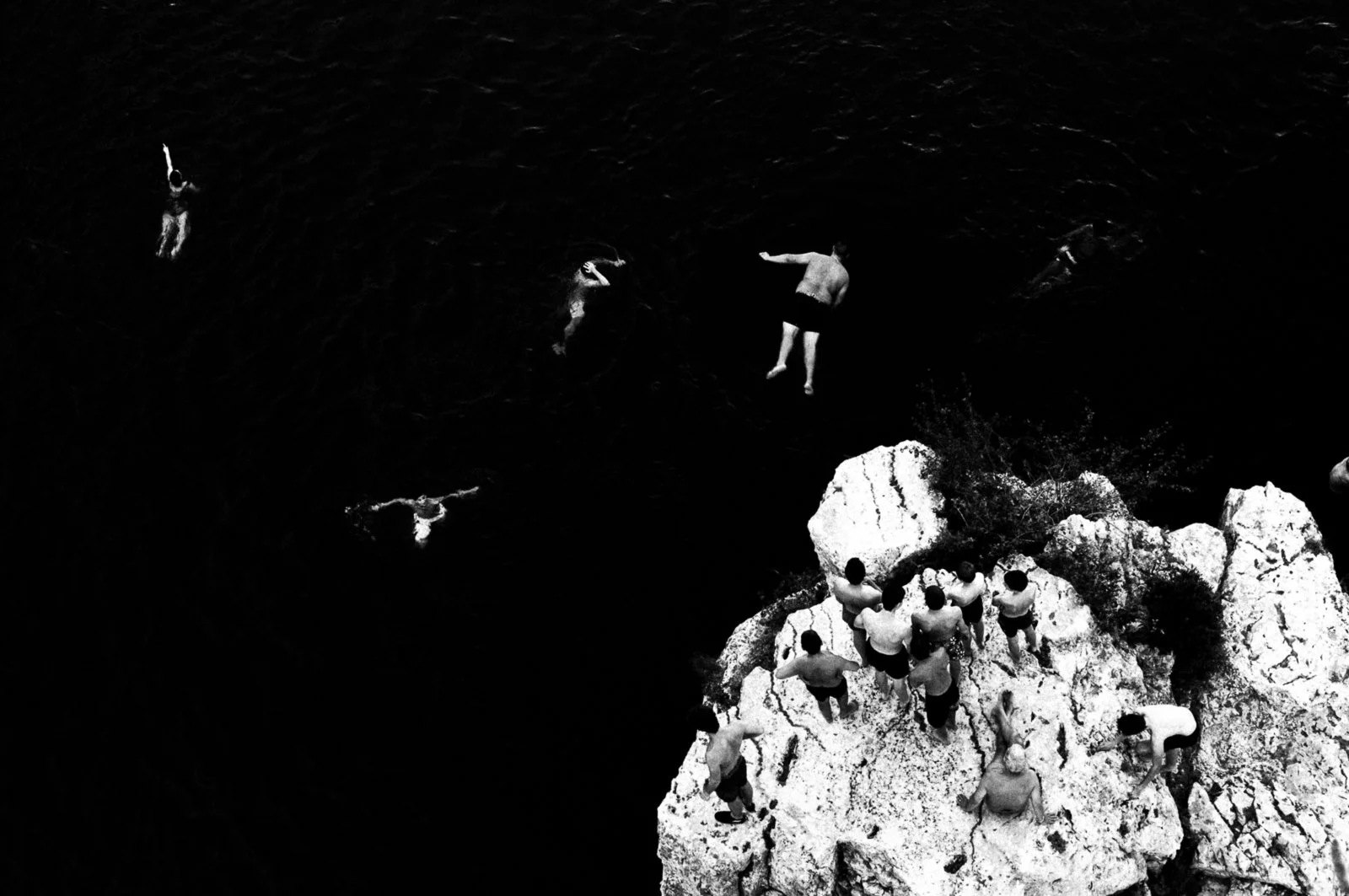
People swimming and jumping into the water from a rocky ledge. An adult is jumping off the rocks while several children are diving from the rocks, and others are swimming in the water below.
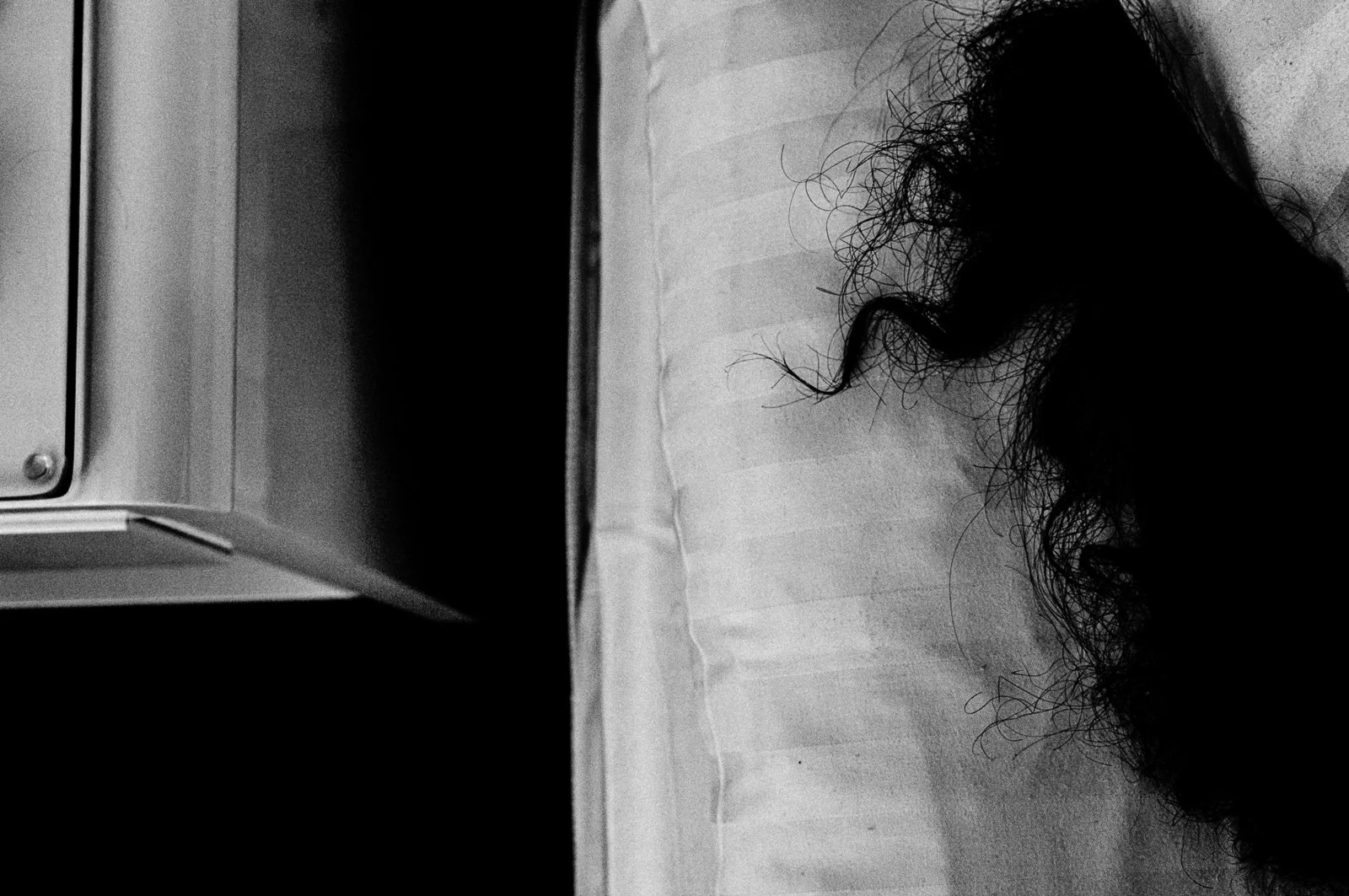
Close-up shot of a person's curly hair resting on a bed with light-colored sheets, with part of a bedside table visible in the background.

I did not plan ESCHATON. It emerged — the way a recurring dream eventually demands to be written down.

For years, the work accumulated in separate bodies — each series its own territory, its own timeframe, its own obsession. Then the sequence tightened. The images began to speak differently to each other — not as documents of crisis, but as pressure. Something irreversible had entered the frame.

ESCHATON is the point at which the separate bodies of work converge — and where images that belong to no single series find their place. It is not a retrospective. It is not a summary. It is what happens when a corpus reaches its own horizon and looks back at itself.
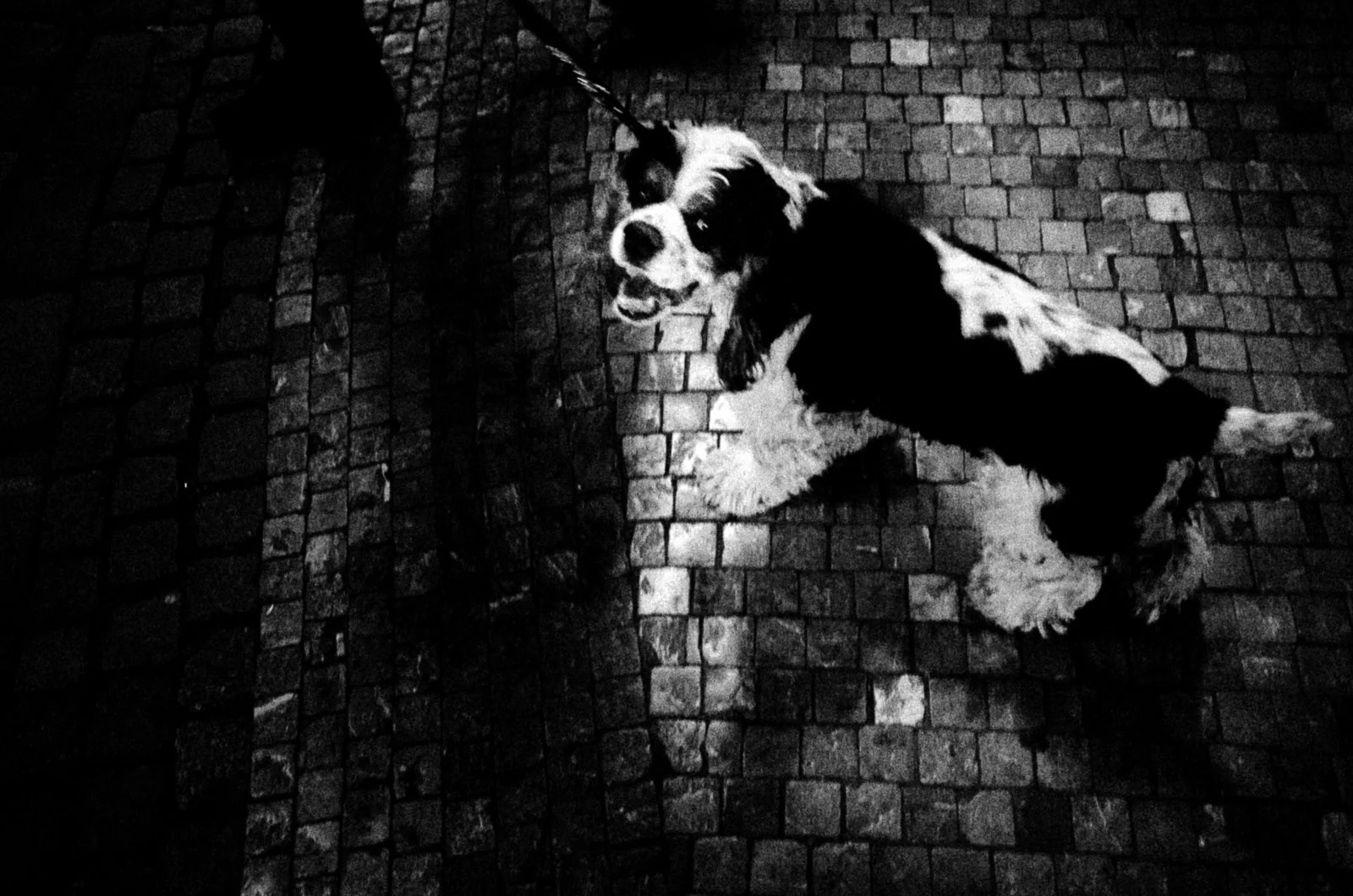
A black and white photo of a fluffy Bernese mountain dog on a leash, standing on a cobblestone street, looking back at the camera with its mouth slightly open.
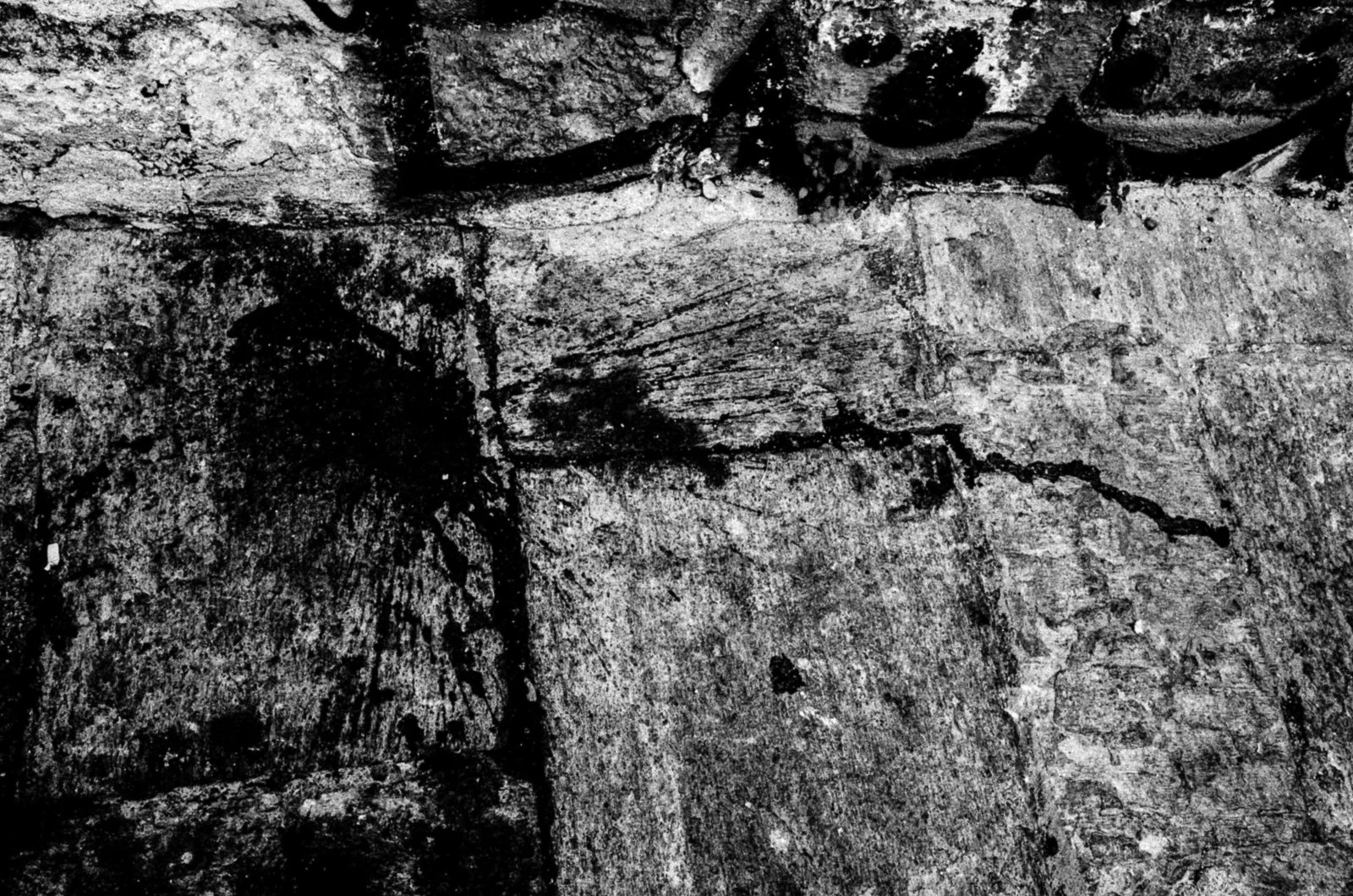
Close-up of a weathered stone wall with visible cracks and rough textures.
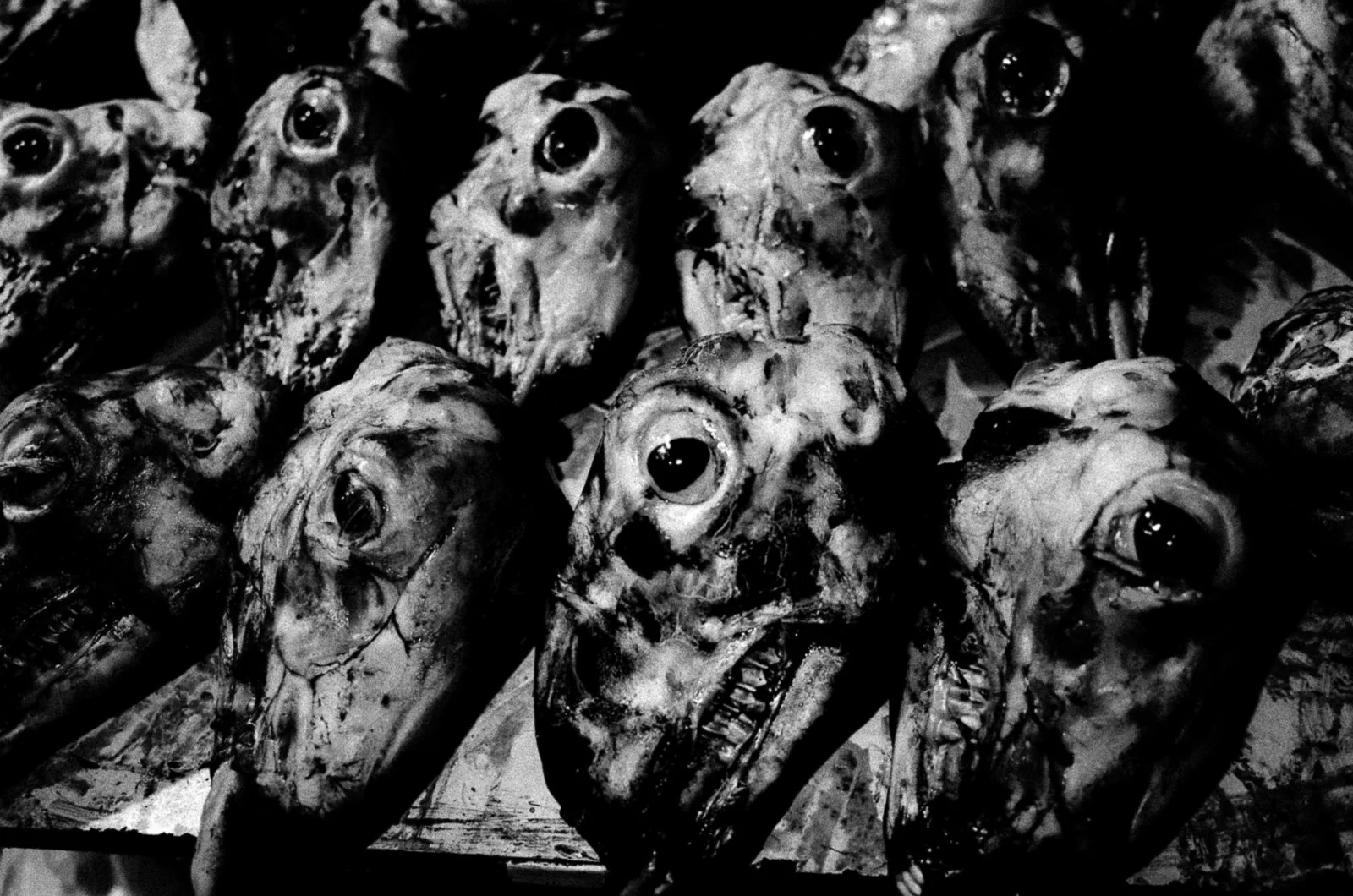
A collection of shark heads with open mouths and sharp teeth, arranged closely together.

The word Eschaton comes from Greek — eschatos, the last, the furthest, the uttermost. In theology, the eschaton is the end of history: the moment beyond which nothing continues.

Walter Benjamin knew this differently. His angel of history — Klee's Angelus Novus — faces the past, not the future. Where we see a chain of events, it sees catastrophe: wreckage upon wreckage, debris piling at its feet. It would stop. It would gather the broken pieces, wake the dead, make whole what has been smashed. But the storm called progress drives it backward into the future, wings open, unable to close them, unable to turn.

Photography is that angel. Each image is a fragment torn from the continuous disaster of time — not to preserve, but to bear witness to what cannot be undone. The camera does not stop the storm. It registers the wreckage with open eyes.

ESCHATON is the moment the debris becomes a sequence. Not order — pressure. Not archive — weight
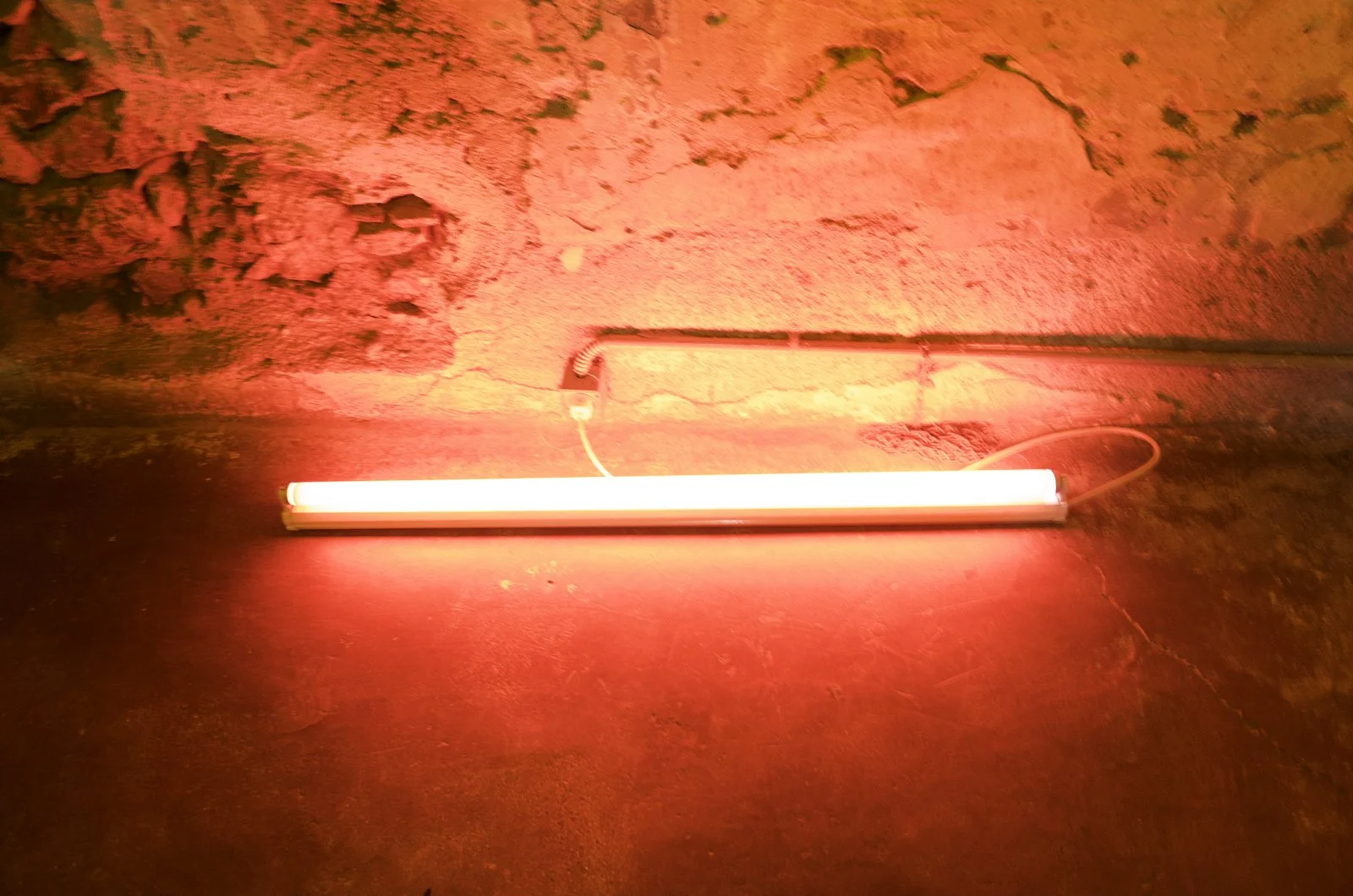
A red fluorescent light tube mounted on an aged, peeling wall with cracks and patches of different textures, emitting a bright red glow.
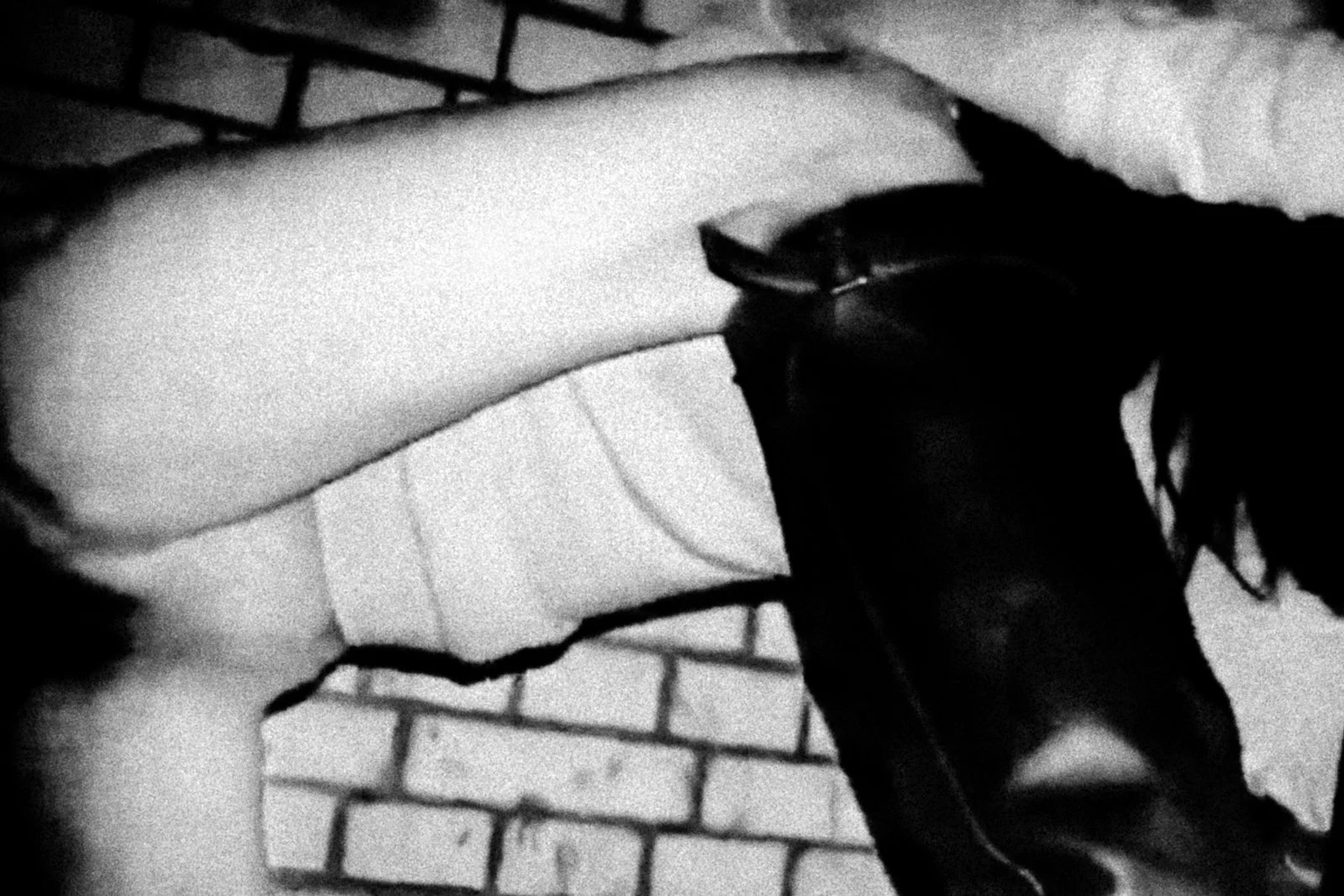
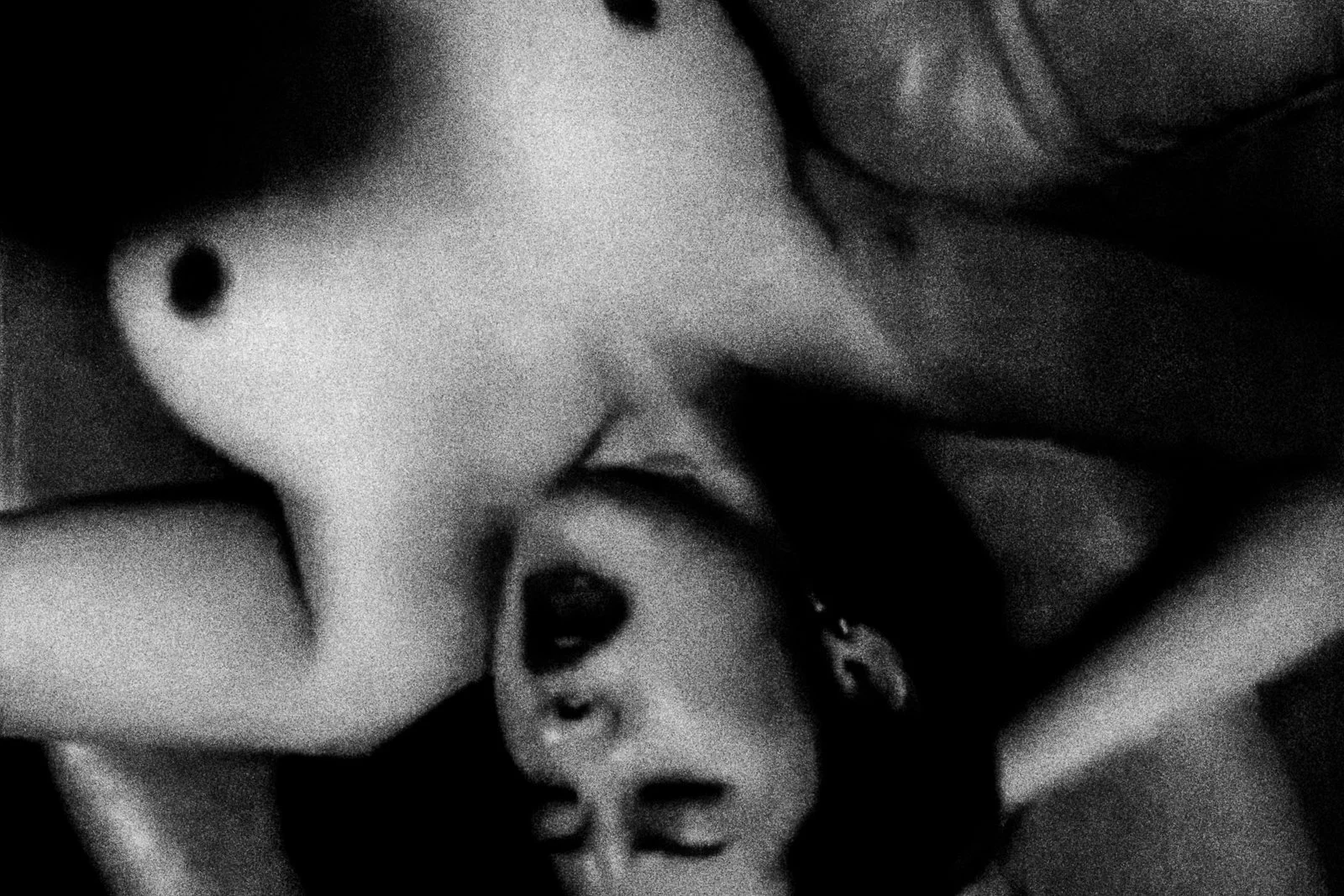
Black and white photo of two women lying close together with their eyes closed.
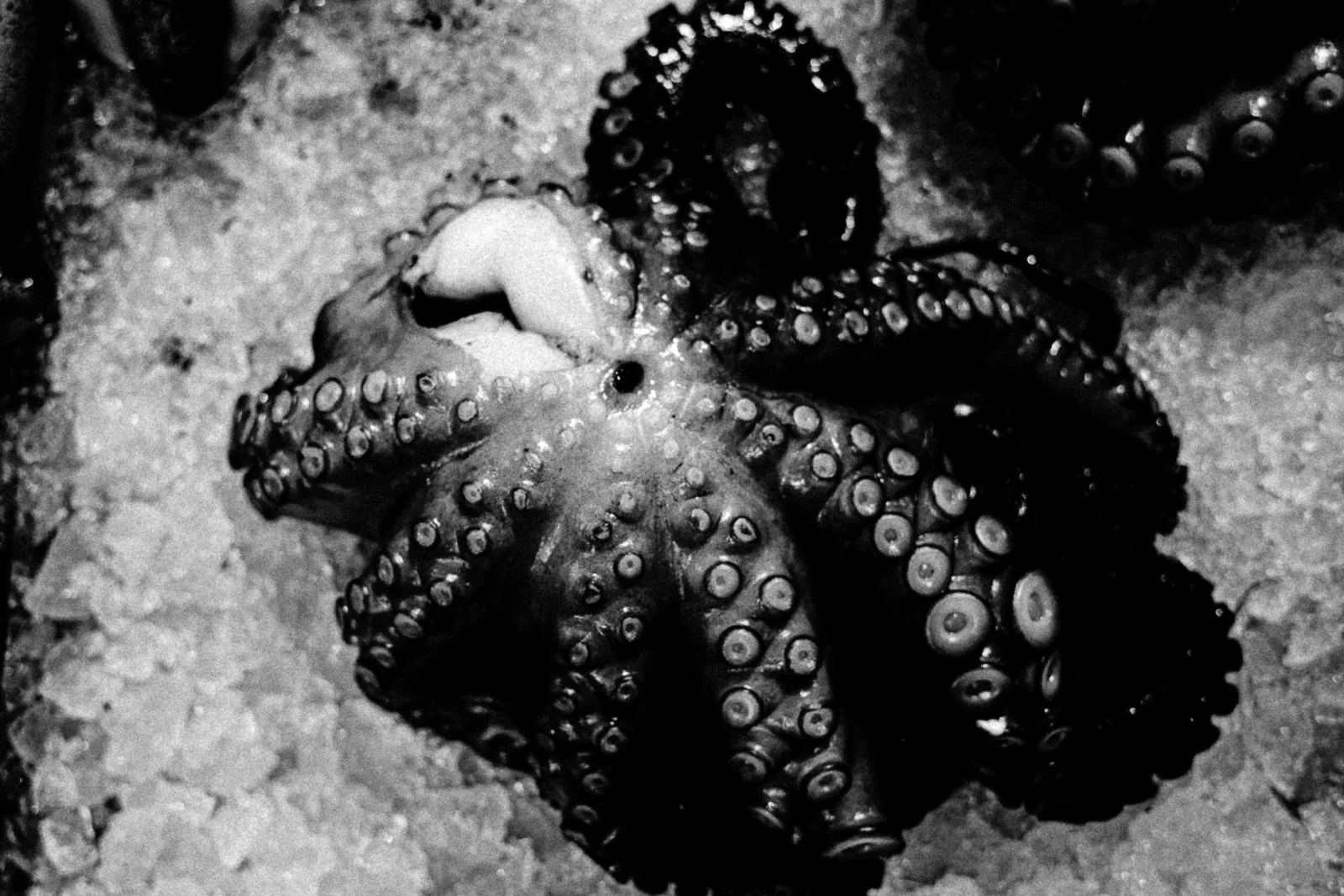
A close-up black and white photo of an octopus with its tentacles spread out on a rocky surface.
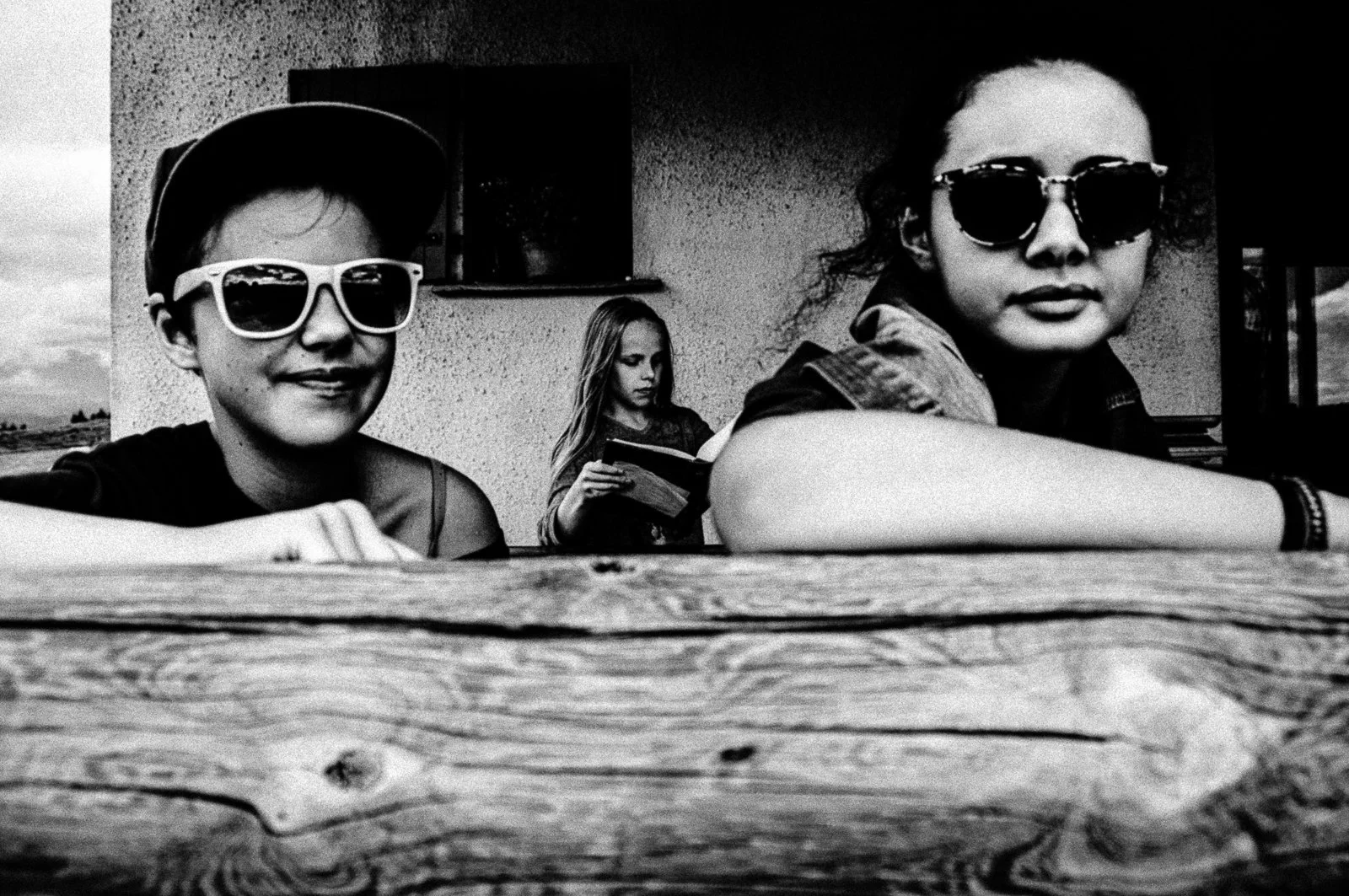
Three young women sitting outdoors, two in the foreground wearing sunglasses, and one in the background reading a book.

A metaseries moves differently than a series. It does not follow a subject or a place. It follows a tension — the one that runs beneath all the work, the thread that connects a Black Forest landscape to a child's black hair, a sleepless transit lounge to a world quietly preparing for its own end.

Some appear elsewhere in the corpus, seen here in a new light, a new pressure. Others exist only here — made for this sequence alone, made because nothing else could hold what needed to be said.
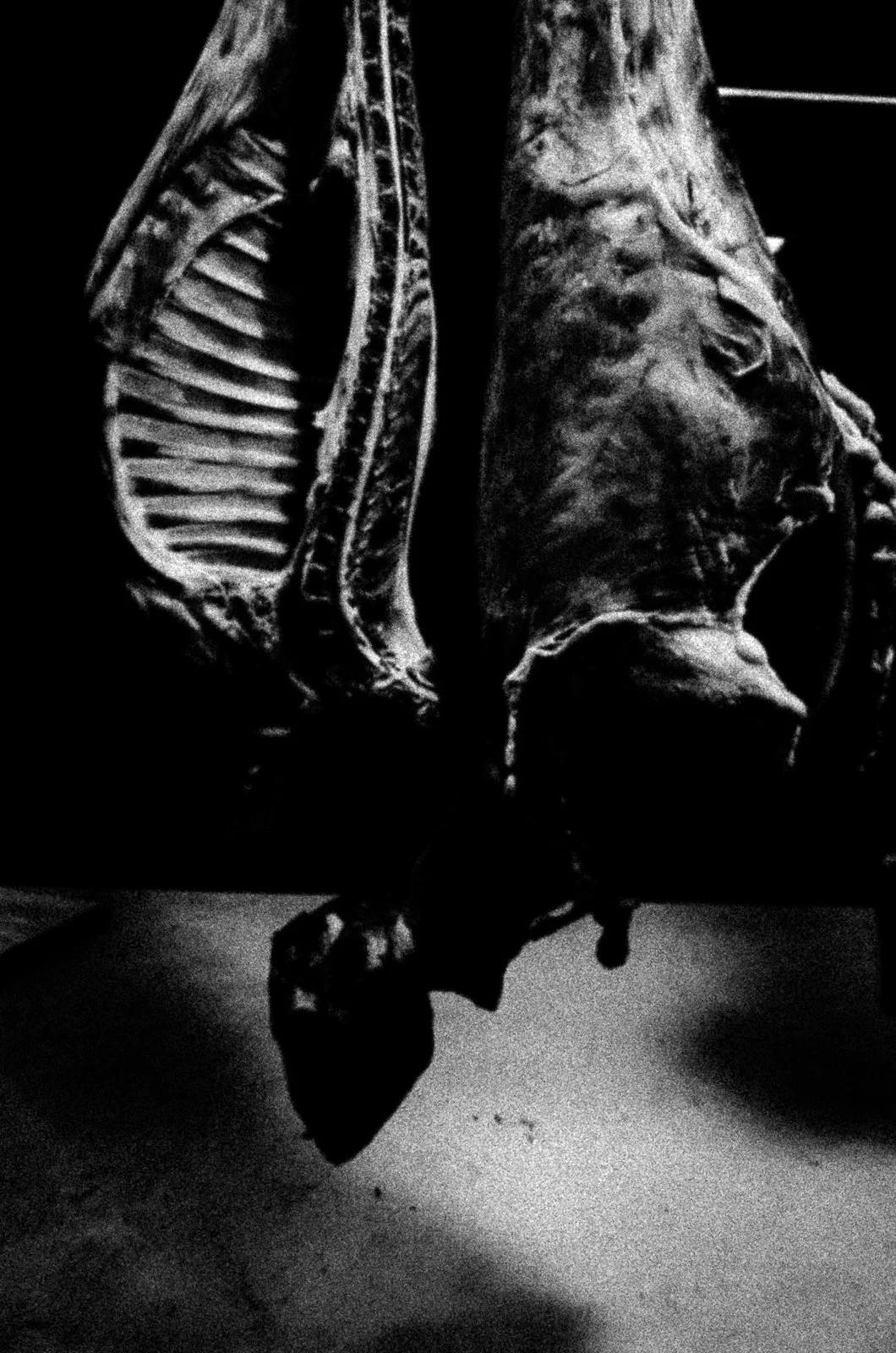
Black and white MRI scan of the human left shoulder, showing bones and muscles.
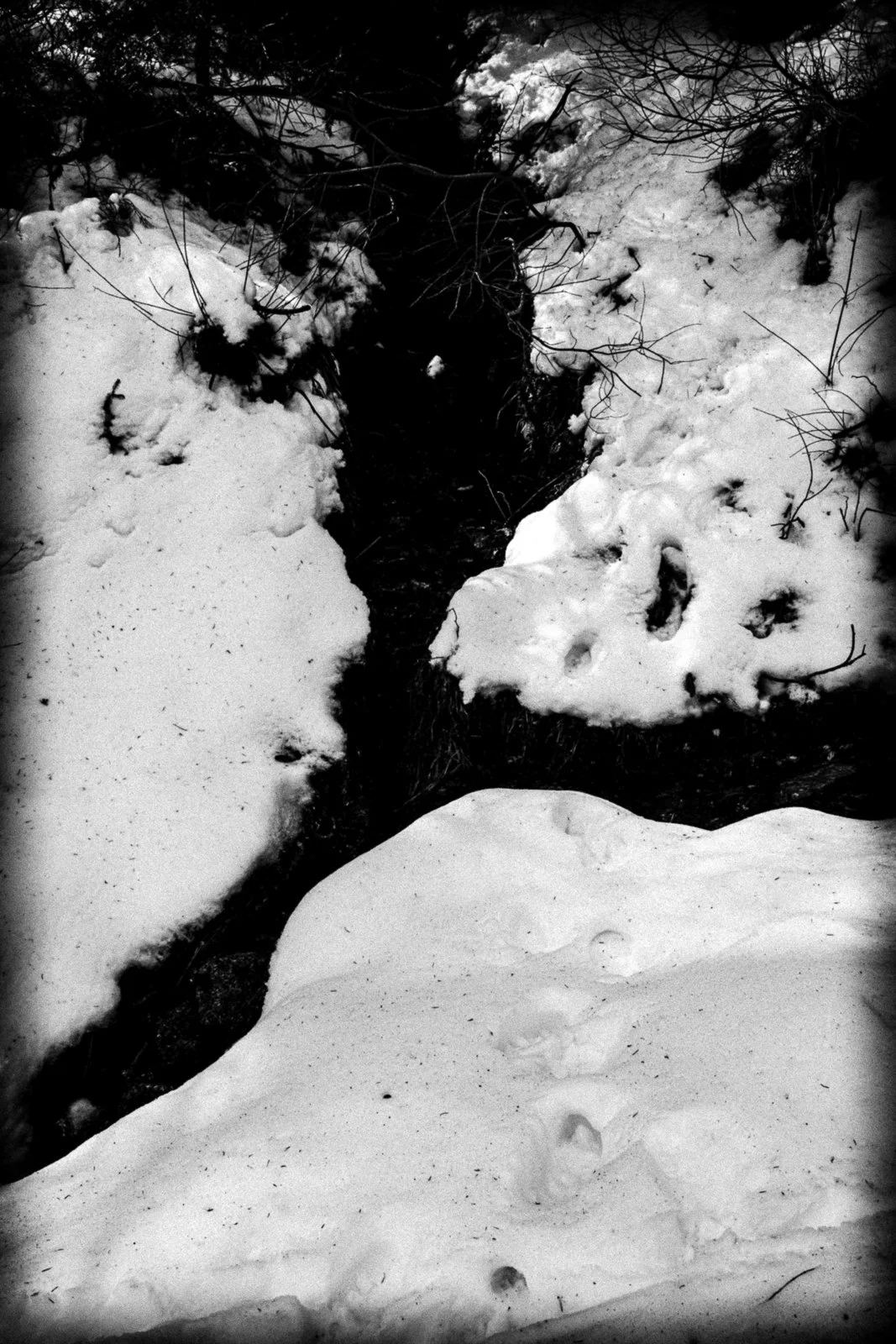
Snow-covered ground with footprints and a small creek or stream running through it, surrounded by trees and bushes.
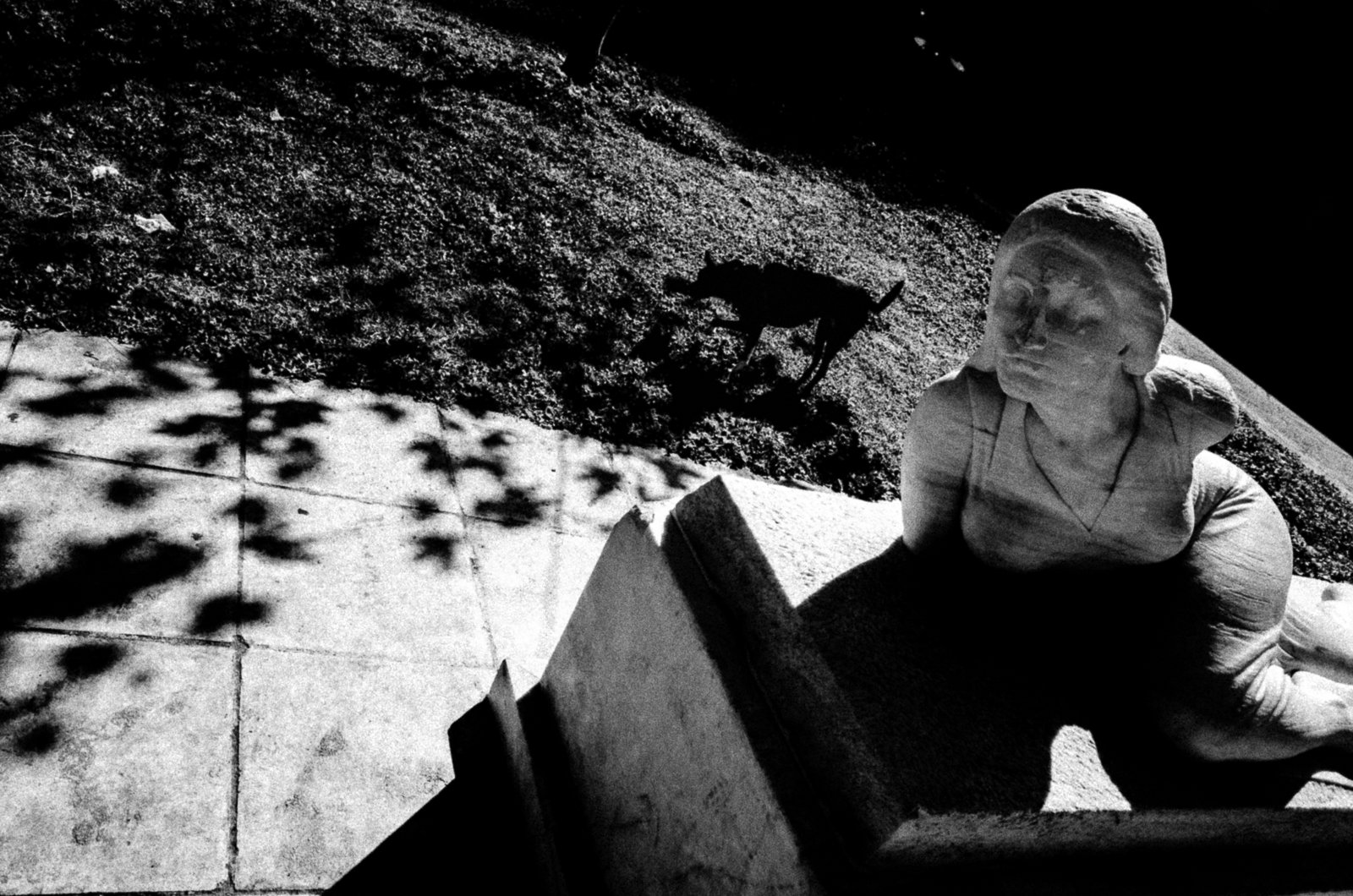
Black-and-white photo showing a woman statue sitting on a ledge, with a dog in the garden below and shadows of tree branches on the pavement.
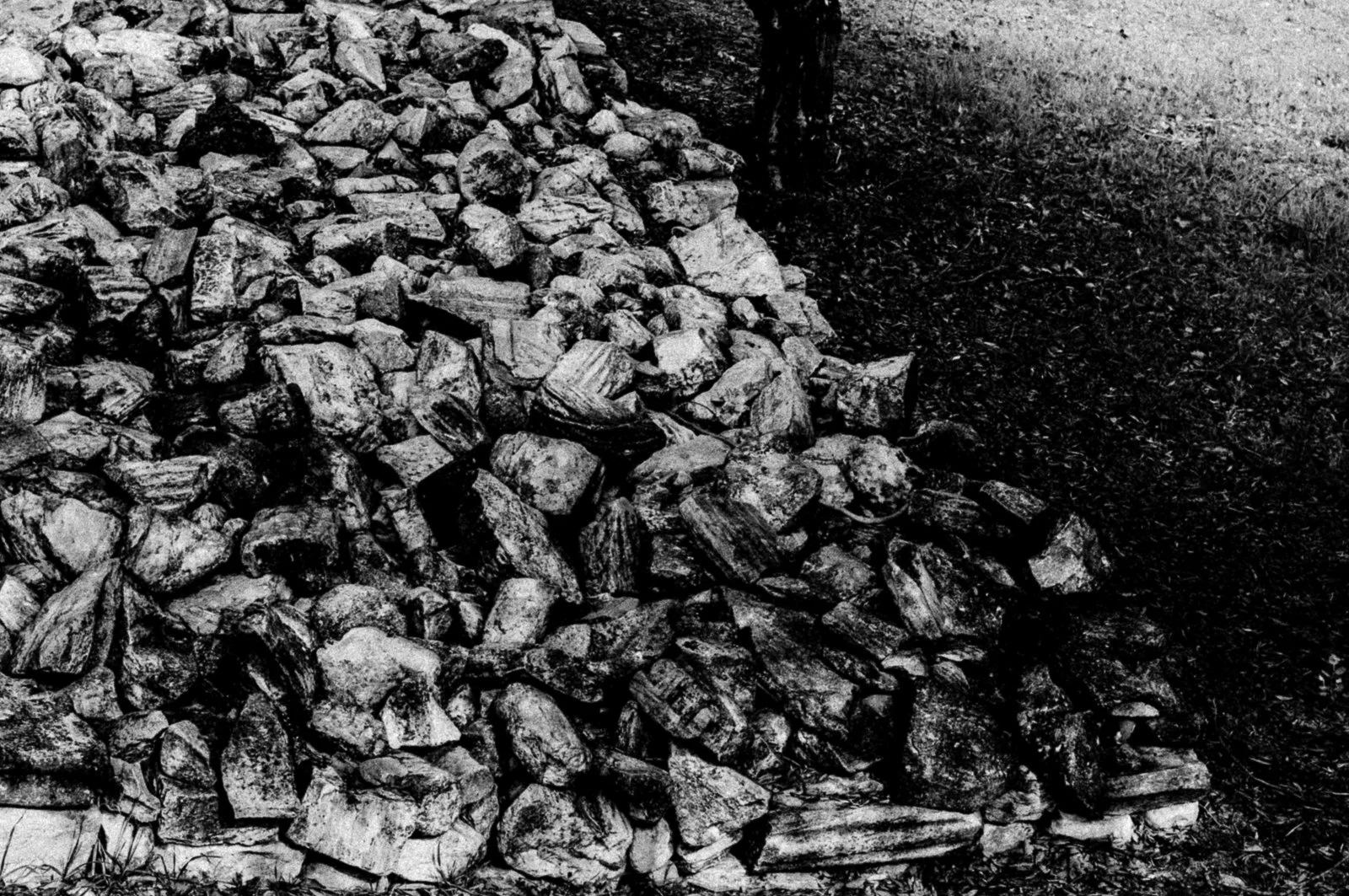
Black and white photo of a large pile of loose rocks with a grassy area and a wall in the background.

ESCHATON is not prophecy. It is recognition.

The fragile persistence of a world that continues — not because it is safe, but because it does not yet know how to stop.
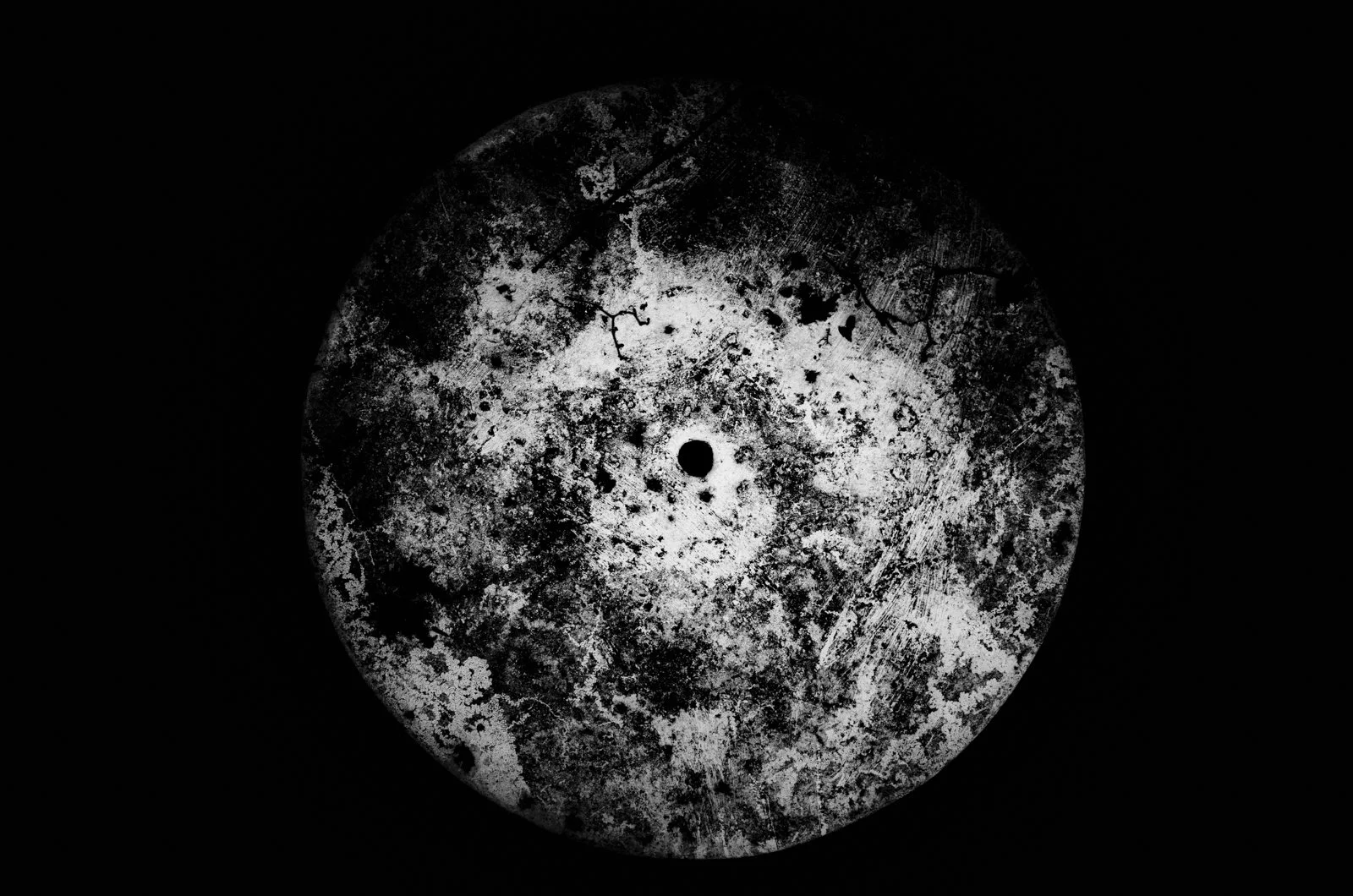
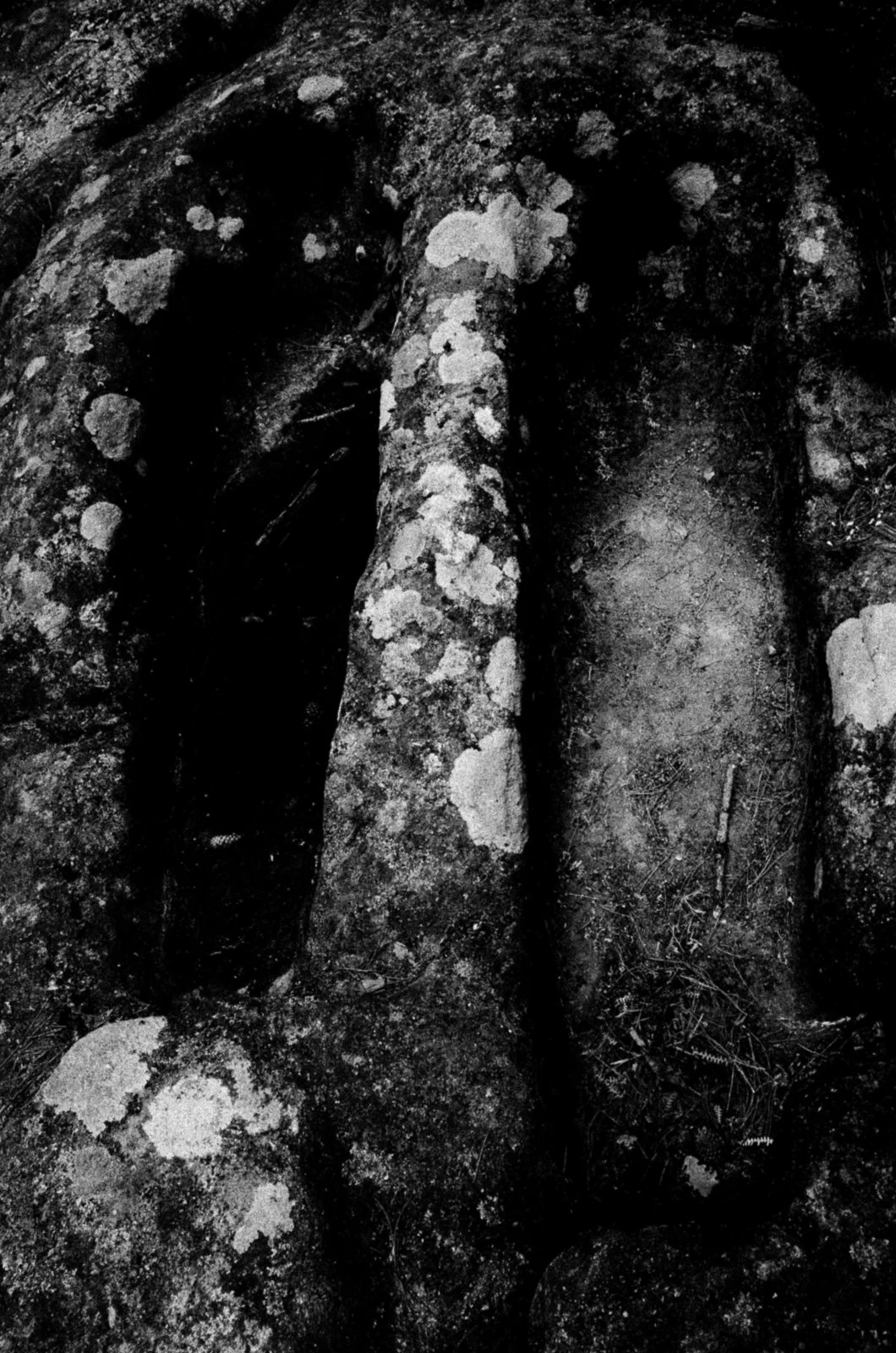
A black and white photograph of a crevice with two large mossy rocks and soil in between.
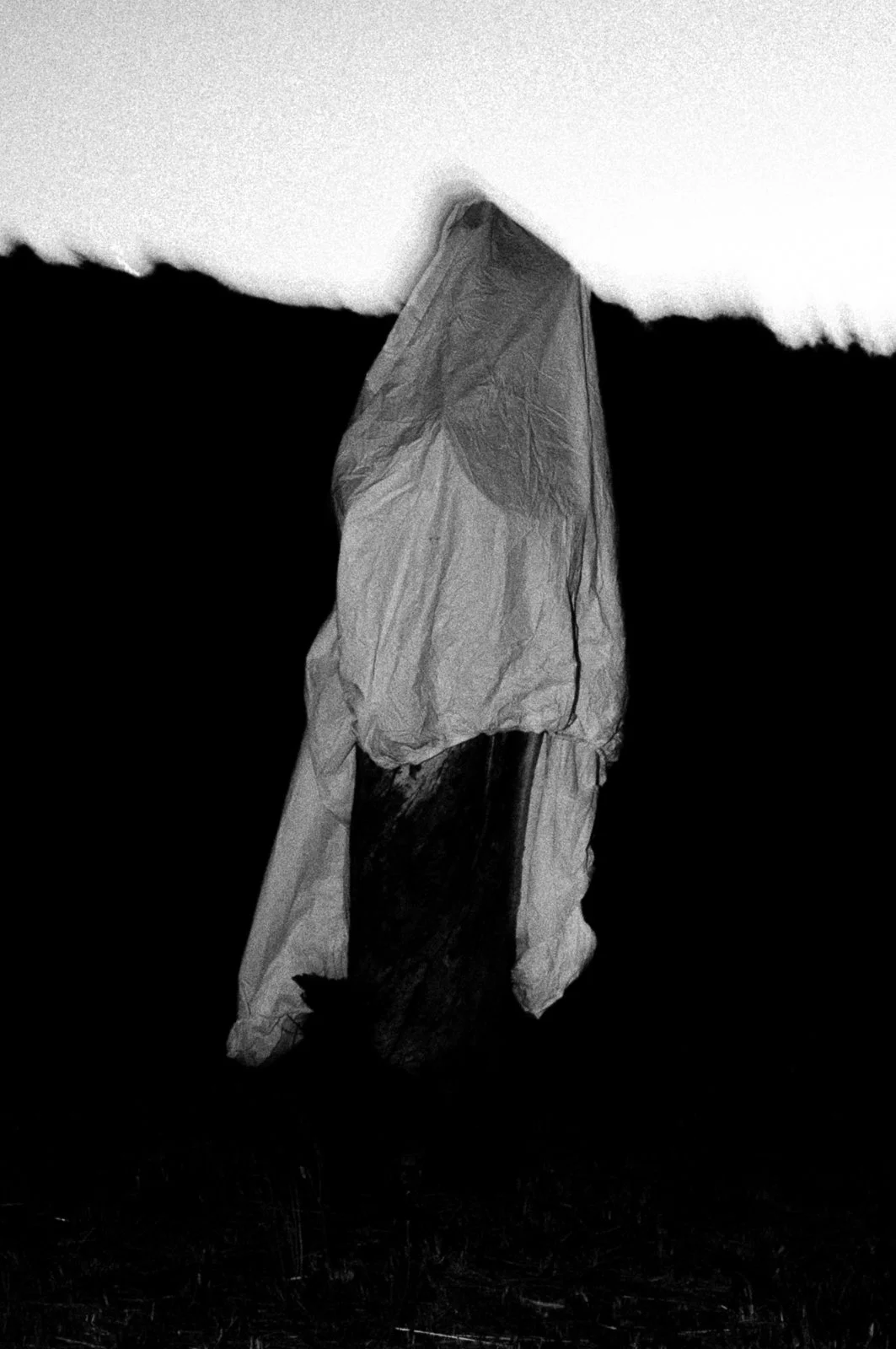
A figure wrapped in a large piece of crumpled cloth or fabric standing outdoors at night, silhouetted against a dark background with a lighter sky.
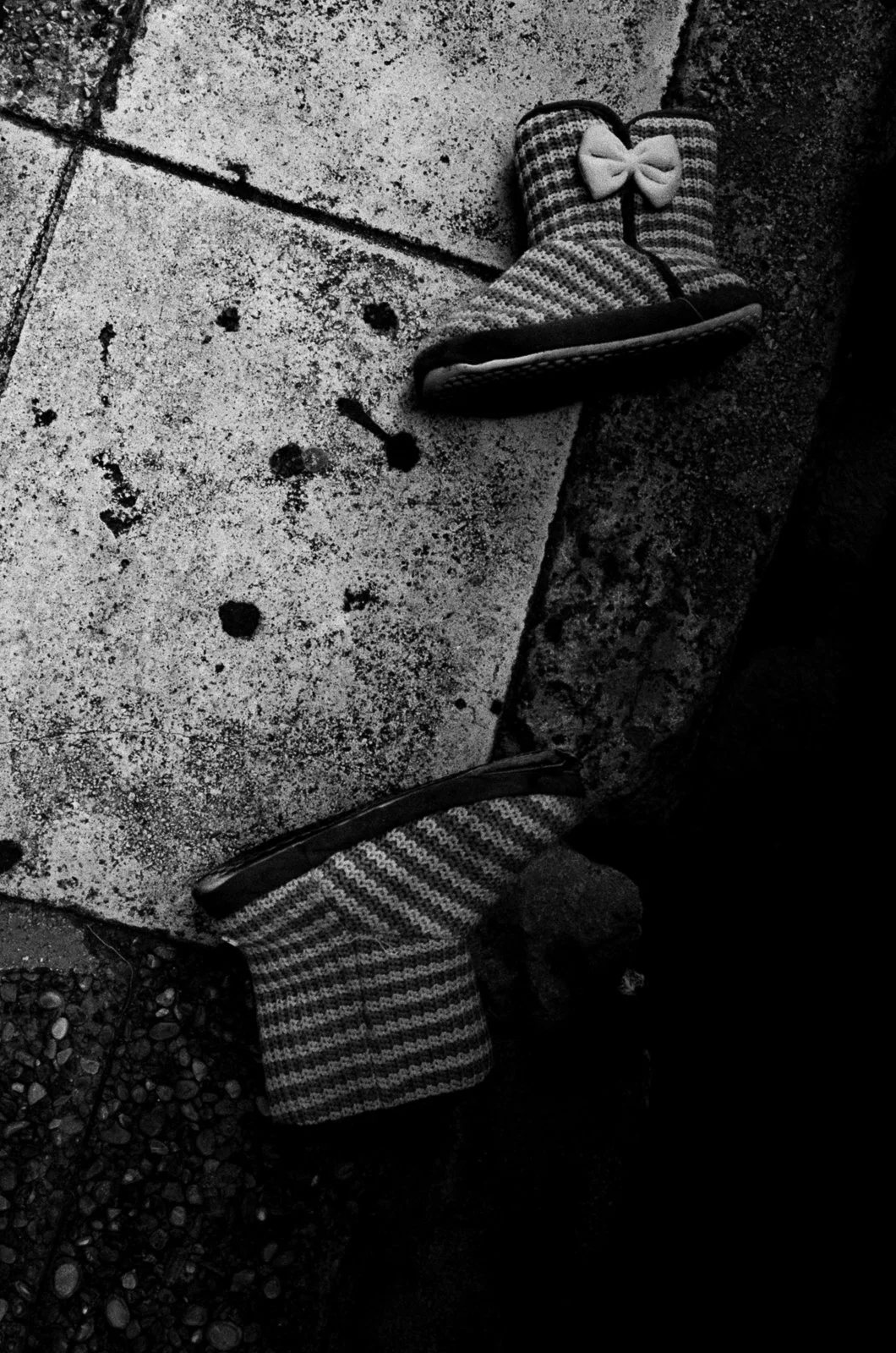
A framed pair of children's boots with a bow on top and a checkered pattern, placed on a mosaic tiled surface with dirt or debris.
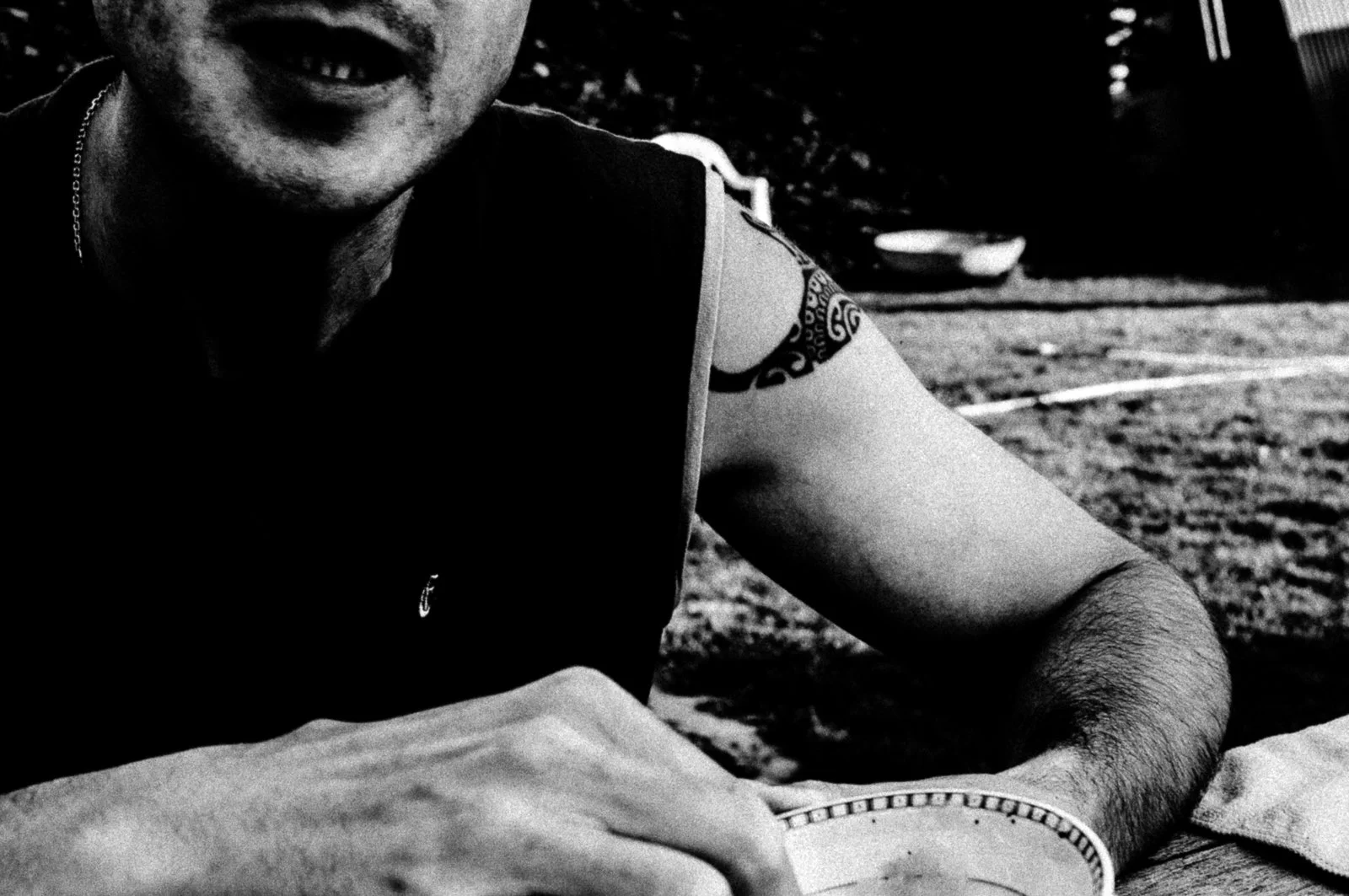
Black and white photo of a smiling man with a missing tooth, wearing a sleeveless shirt, sitting outdoors with a boat in the background.
A shoe partially buried in sand with a notable tear or damage and an ankle strap.
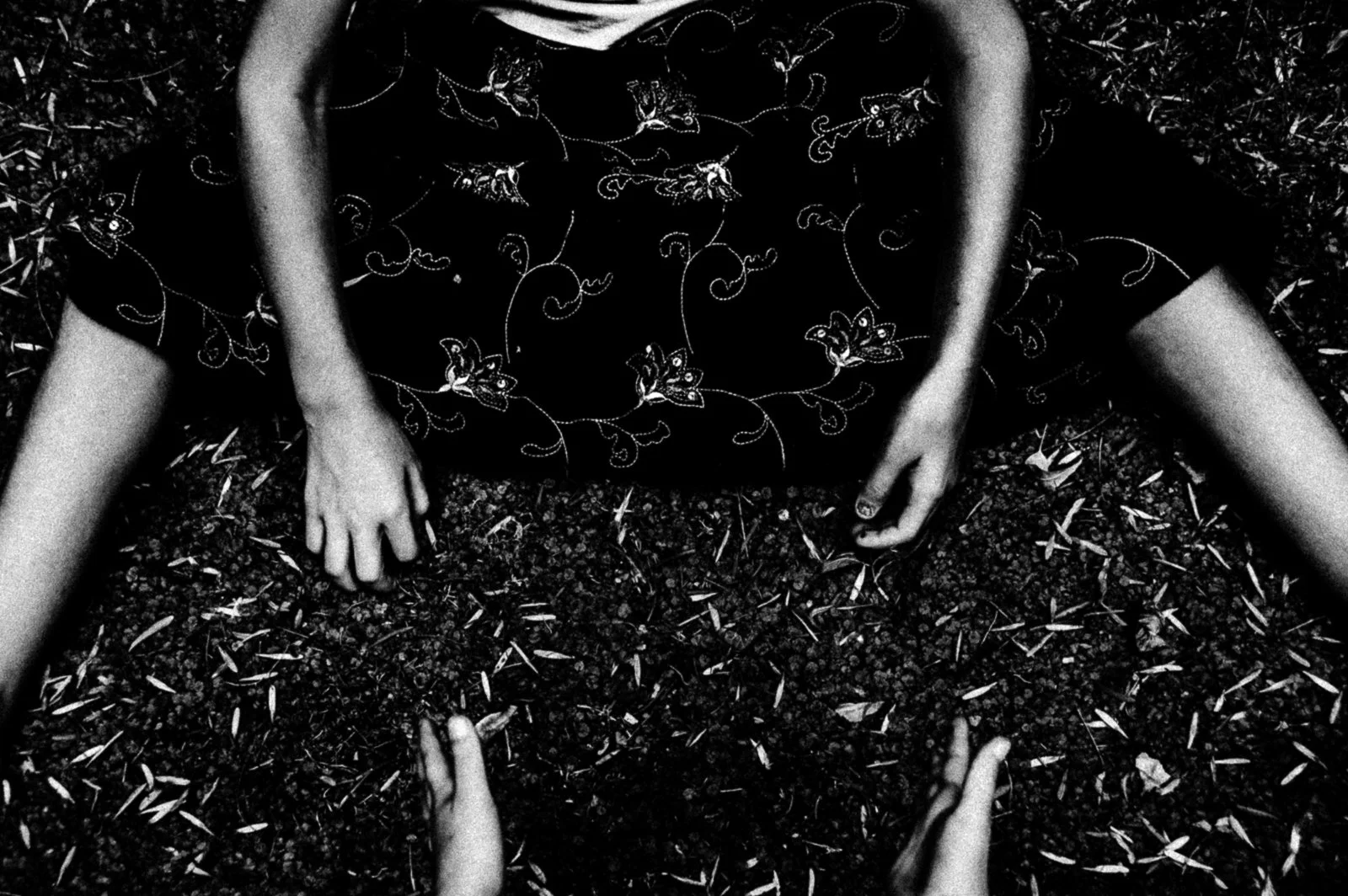
Black and white photo of a person sitting on the ground with legs spread apart, wearing a dress with floral embroidery. Two small hands are visible in the foreground, reaching towards the person's lap.
A black and white image of a rotary cake cutter with a cake inside, placed on a wooden surface.
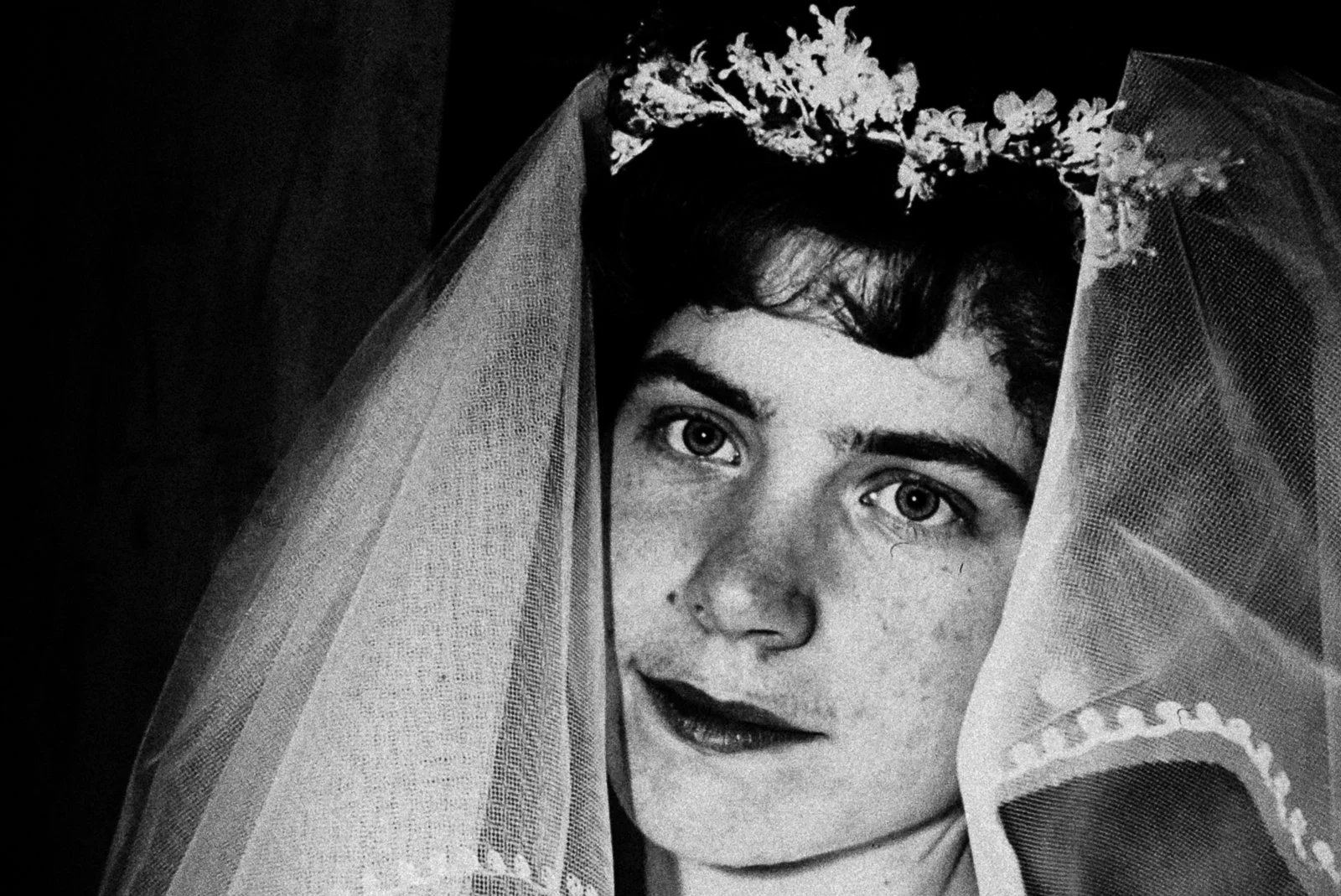
Black and white photo of a young woman with a floral headpiece and tulle veil, with a calm expression and open eyes.
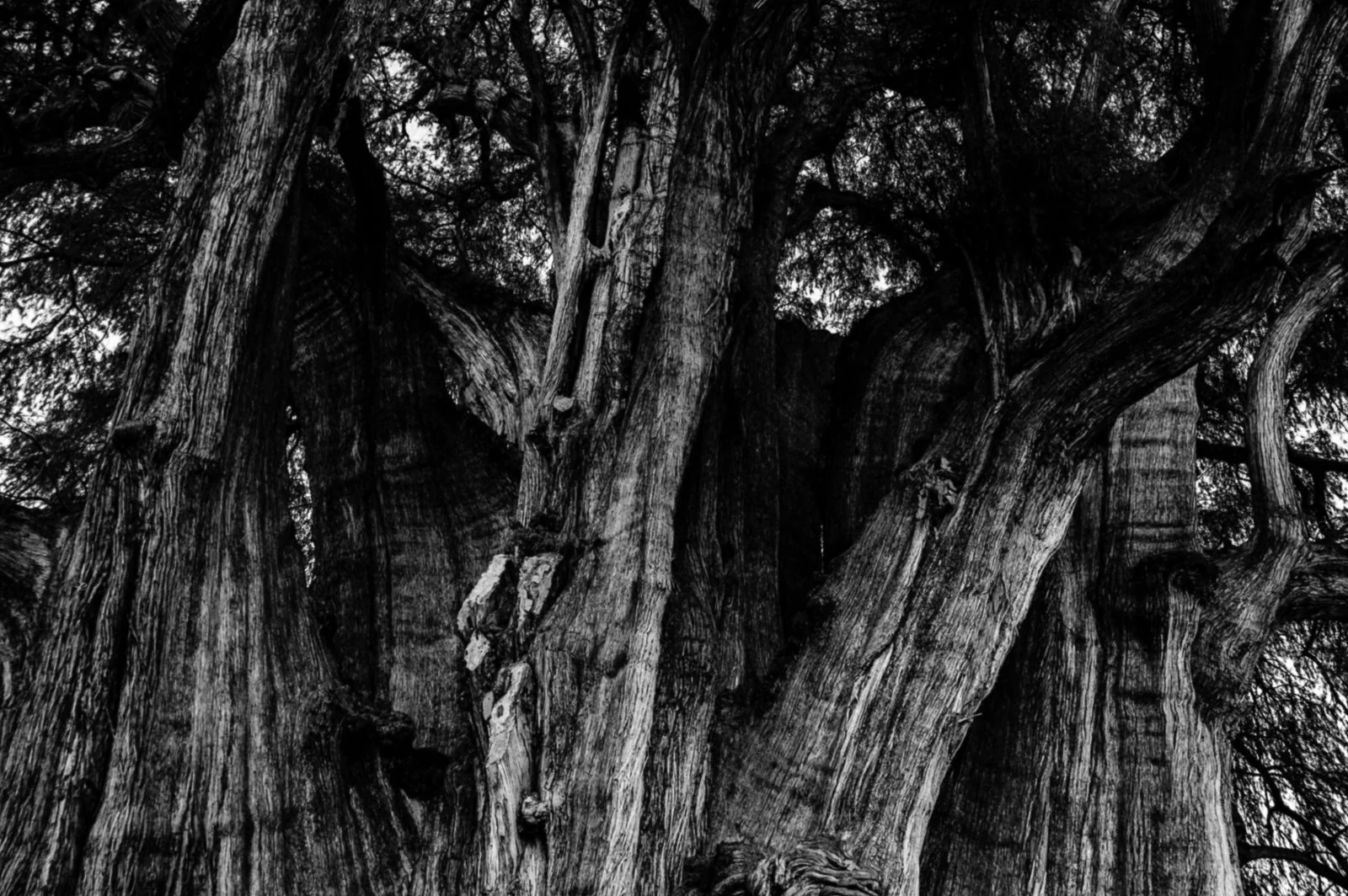
Close-up of a large, old tree with textured, twisting bark and dense branches overhead.
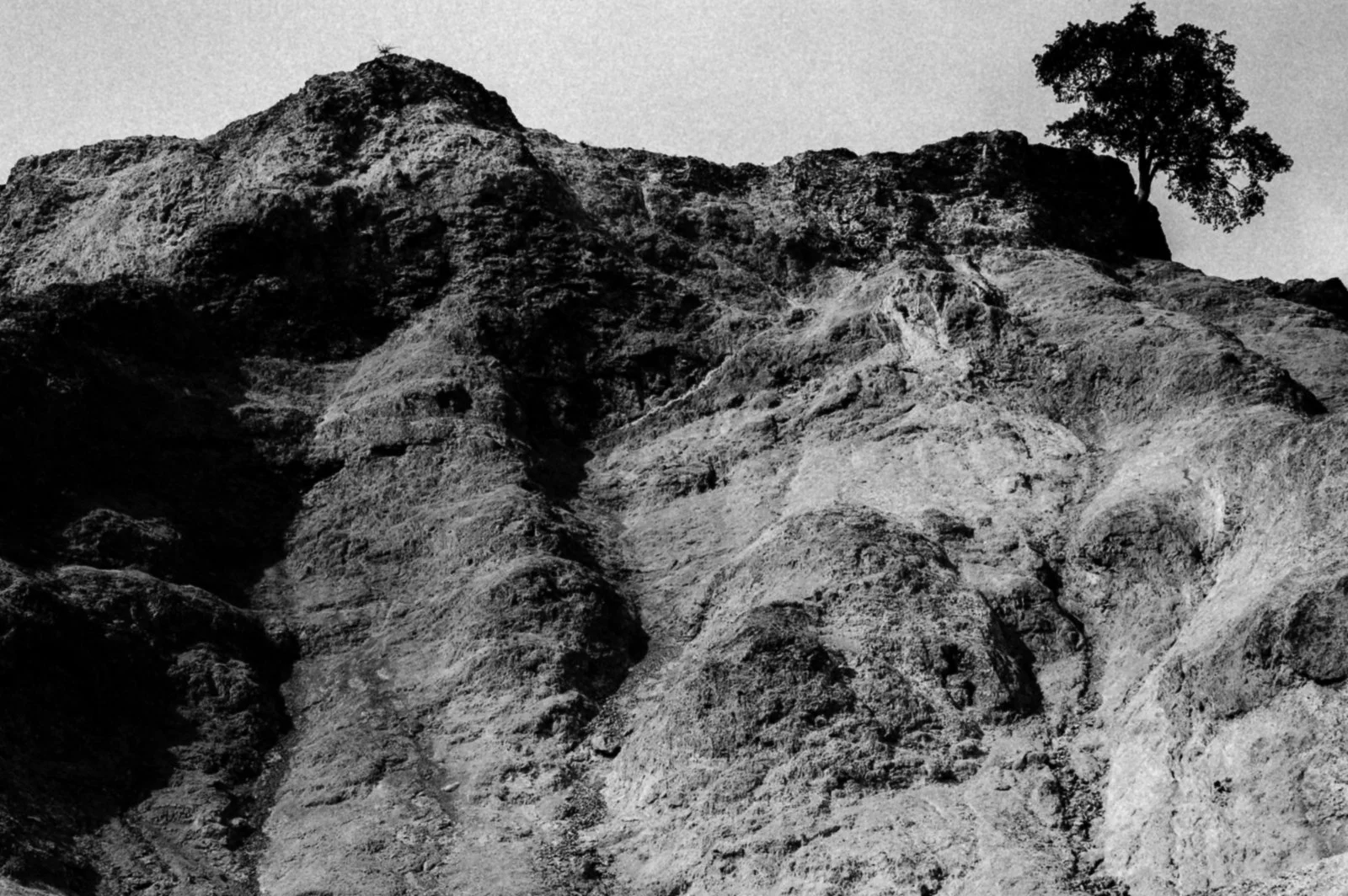
Black and white photo of a rocky hillside with a tree at the top right.
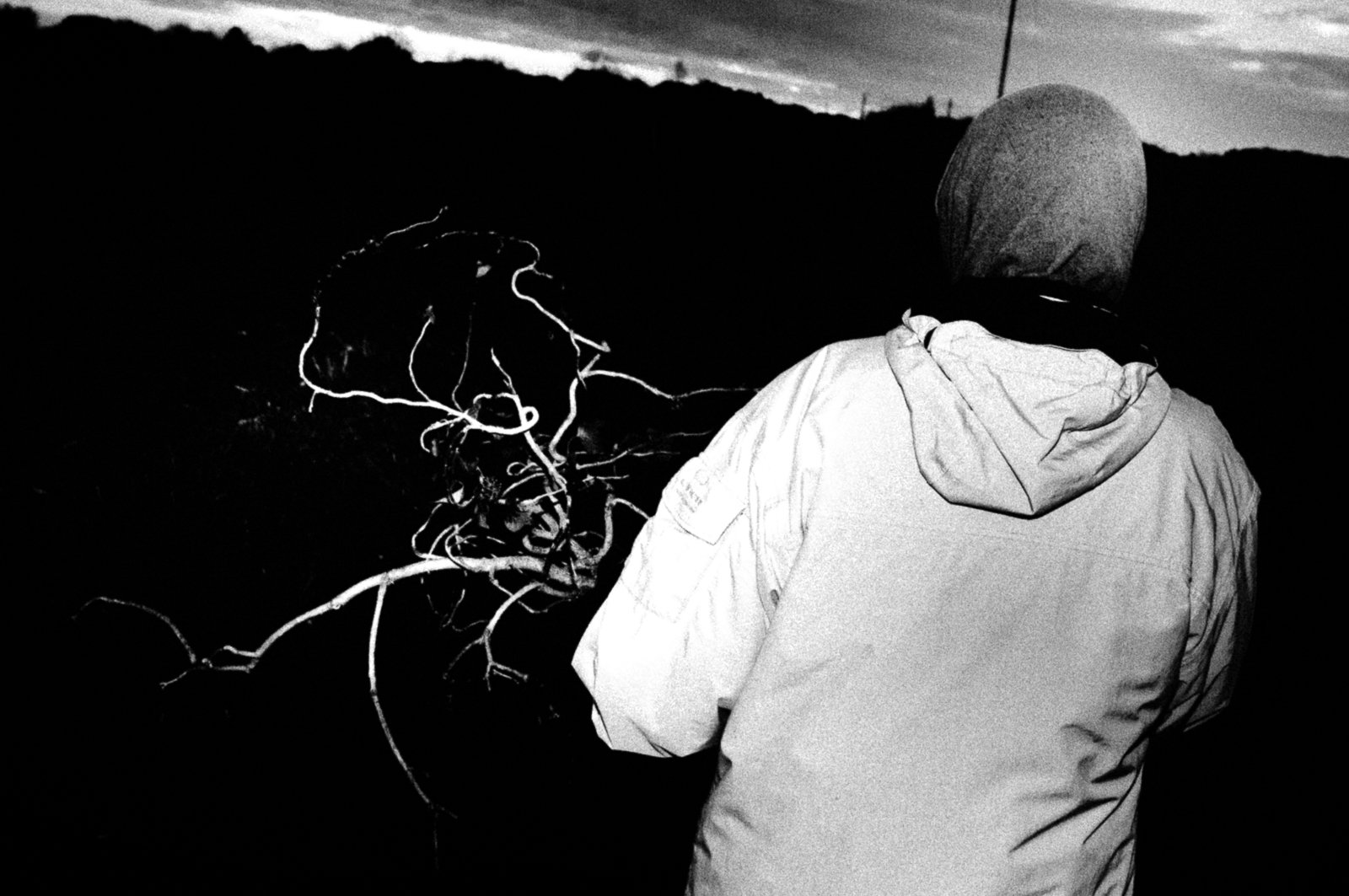
A person with a shaved head wearing a hoodie and jacket looking at tangled wires in a dark outdoor setting during sunset or sunrise.
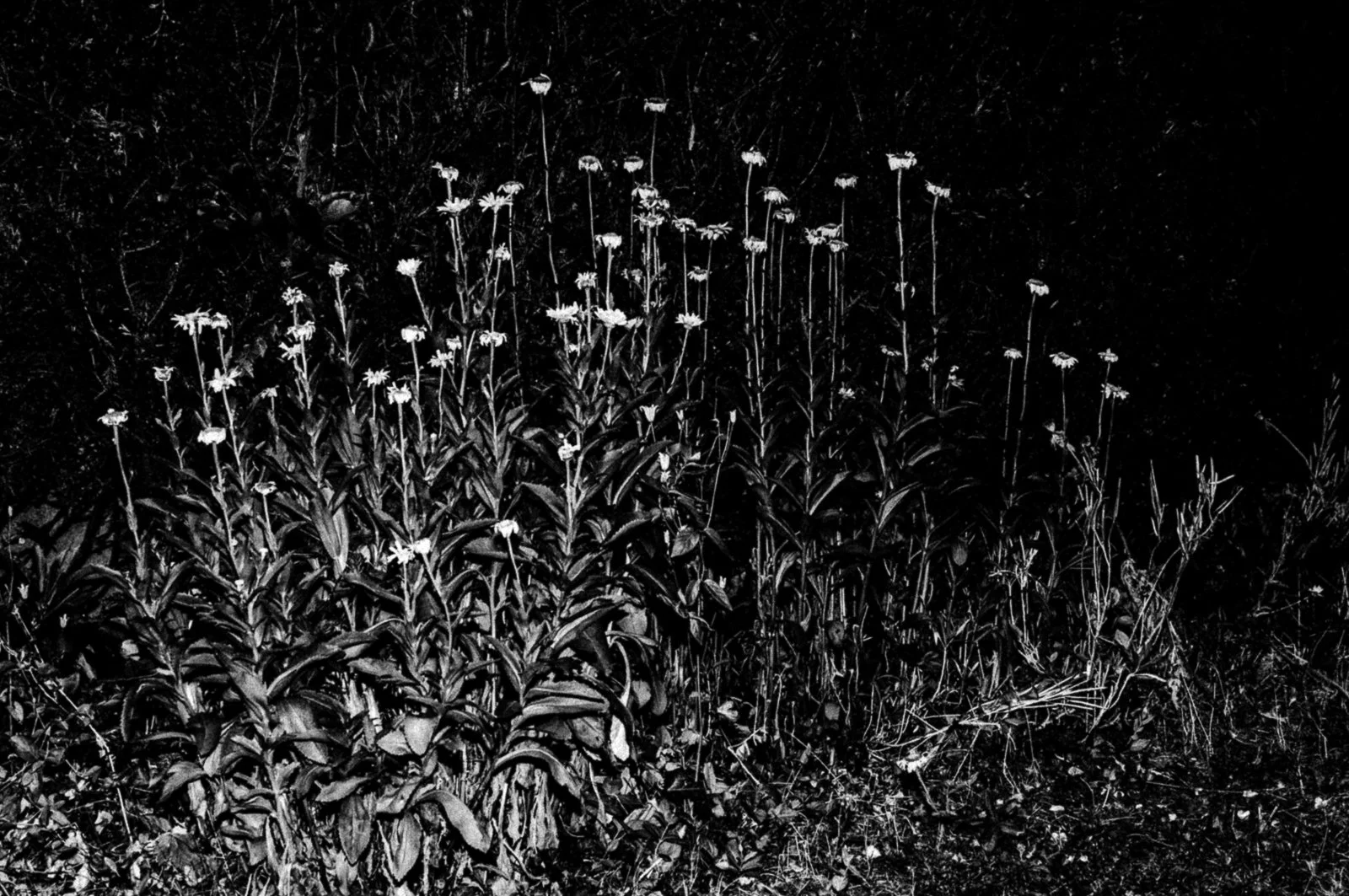
Black and white photo of tall flowering plants with small flowers at the top, surrounded by grass and bushes in the dark.

Prints available. • Contact for exhibitions and acquisitionsPreselection Athens Photofestival 2024

Prints & exhibition copies Available as limited editions: 40 × 50 cm and 60 × 80 cm. Piezography carbon inks on Hahnemühle Photo Rag 308g. Signed and numbered. Exhibition loans available on request. → matthias.koch@pm.me